Projects

Academic Projects (2017–2025)

Research projects completed during my PhD and postdoctoral positions, focusing on astrophysics and computational modeling.

During my time as a researcher, my academic work focused on cosmic dust — the tiny solid particles that pervade our galaxy and play crucial roles in star formation, planet building, and chemical enrichment of the Universe. Below, I present four key projects that illustrate my approach to solving complex, data-driven problems in astrophysics. Through these projects, I developed a strong expertise in radiative transfer modelling — the computational simulation of how light interacts with matter — which is essential for interpreting astronomical observations and constraining physical properties from complex datasets. Beyond the scientific domain knowledge, these projects honed my skills in Python code development, collaborative code development with international teams, parallelisation of computations on university clusters, machine learning techniques to reduce computational time, and visualisation techniques for complex, multi-dimensional datasets.

Project 1: Decoding the Winds of a Dying Star

Constraining Dust Properties in the Atmosphere of R Doradus
R Doradus dust clouds
Dust clouds reflect starlight around the star R Doradus. This image combines polarised visible light taken with the Very Large Telescope in Chile, and an image of the star's surface taken with ALMA. Credit: ESO/T. Schirmer/T. Khouri; ALMA (ESO/NAOJ/NRAO)

The scientific context: why understanding stellar winds matters

Most of the heavy elements in the Universe — carbon, oxygen, silicon, iron — are forged inside stars and then released into space. This "cosmic recycling" is essential: without it, there would be no rocky planets, no organic molecules, and ultimately no life as we know it. But how exactly do these elements escape from stars and spread through the cosmos?

The answer lies largely with Asymptotic Giant Branch (AGB) stars — evolved, dying stars that have exhausted their core hydrogen and helium. These stellar giants are cosmic dust factories, producing massive quantities of dust grains in their extended atmospheres. The standard theory suggests that stellar light pushes on these dust grains (a phenomenon called radiative pressure), which then drag the surrounding gas along with them, creating powerful stellar winds that eject material into space.

R Doradus is one of the closest AGB stars to Earth (~55 parsecs, roughly 180 light-years away), making it an ideal laboratory to study these processes in detail. Its proximity allows us to resolve spatial structures in its atmosphere that would be impossible to see in more distant stars. R Doradus is also an oxygen-rich star, meaning it produces silicate dust grains — the same type of material found in rocky planets like Earth.

The research question: can dust drive the wind?

The central question was both fundamental and challenging: Can we determine the properties of dust grains forming around R Doradus, and assess whether these grains are capable of driving the observed stellar wind through radiative pressure alone?

This required solving a complex inverse problem: from observations of light at multiple wavelengths, we needed to infer the physical characteristics of dust grains (their size, composition, and spatial distribution) and then test whether the physics of radiation pressure could explain the mass loss rate we observe. The challenge was that the problem involves many coupled variables — dust properties affect how light propagates, which in turn affects the temperature structure, which affects where dust can form.

My approach: combining observations with computational modeling

Data integration from multiple observatories: I combined observations from three major facilities: the VLT/SPHERE/ZIMPOL instrument (providing high-resolution polarimetric images in visible light), ALMA (radio interferometry revealing the gas density structure), and archival photometric data spanning from optical to mid-infrared wavelengths. Each dataset provided complementary constraints — the polarization data is sensitive to scattering by dust grains, ALMA traces the gas distribution, and the spectral energy distribution (SED) constrains the overall dust mass and temperature.

Radiative transfer modeling: I used a sophisticated Monte Carlo radiative transfer code called RADMC-3D to simulate how light interacts with dust in the circumstellar environment. This code traces millions of photon packets as they scatter, absorb, and re-emit through the dusty medium, allowing us to compute synthetic observables (images, polarization maps, SEDs) for any given dust model.

Parameter space exploration with physical constraints: Rather than blindly searching a high-dimensional parameter space (dust composition, grain sizes, spatial distribution, mass-loss rate — a 6-dimensional problem), I implemented physics-based filtering to eliminate unphysical parameter combinations before running expensive simulations. For example, some parameter combinations would produce an optically thick medium — meaning light could not travel through it. But we clearly observe starlight from R Doradus, so such solutions are ruled out immediately. This pre-filtering saved an estimated several weeks of computation time while ensuring we explored only physically plausible scenarios.

Iterative fitting and validation: I compared synthetic observables from thousands of model runs against the real data, iteratively refining the parameter constraints. The model predictions were validated against multiple independent observations to ensure consistency.

Key findings: challenging the dust-driven wind paradigm

Tight constraints on dust properties: I successfully constrained the dust grain properties: a mixture of magnesium-iron silicates (MgFeSiO₄, specifically Mg₀.₅Fe₀.₅SiO₃) and transparent alumina (Al₂O₃) grains, with sizes around 0.3–0.5 micrometers. This is significantly larger than typical interstellar dust grains (~0.1 μm), suggesting that grain growth occurs efficiently in the dense inner atmosphere.

A fundamental puzzle: The most striking result was negative in a scientific sense, but extremely important: the dust grains we observe cannot drive the wind through radiative pressure alone. The momentum transfer from starlight to dust is insufficient by a significant factor. This challenges the long-standing paradigm of dust-driven winds for oxygen-rich AGB stars.

New directions: This finding opens exciting avenues for future research. Alternative mechanisms — such as giant convective bubbles in the stellar atmosphere, stellar pulsations, or episodic dust formation events — may play crucial roles in launching these winds. The result forces the astrophysical community to rethink the mass-loss mechanism for a significant fraction of AGB stars.

Impact: The paper was published in Astronomy & Astrophysics (2025) and was featured in a Chalmers press release.

Monte Carlo Simulations Radiative Transfer Multi-wavelength Analysis Parameter Optimization Physical Constraint Modeling Python International Collaboration

Project 2: Tracking Dust Evolution Under Extreme Radiation

Constraining Dust Properties in Photon-Dominated Regions
Horsehead Nebula
The Horsehead Nebula, imaged here by the Hubble Space Telescope, is just one small part of an enormous cosmic cloud that's currently giving birth to young stars. Credit: NASA, ESA, and the Hubble Heritage Team (STScI/AURA)

The scientific context: where starlight shapes dust

Photon-Dominated Regions (PDRs) are cosmic laboratories where intense ultraviolet (UV) radiation from massive stars sculpts the surrounding gas and dust. These regions are found at the interfaces between hot ionized gas (near the star) and cold molecular clouds — the birthplaces of new stars and planets. Think of them as the "weather zones" of the interstellar medium, where energetic stellar light creates dynamic, layered structures.

Dust grains in PDRs play multiple critical roles in astrophysics: they catalyze the formation of molecular hydrogen (H₂, the most abundant molecule in the Universe), they absorb UV photons and re-emit energy in the infrared (affecting the thermal balance of the gas), and they heat the gas through the photoelectric effect — UV photons eject electrons from grain surfaces, and these energetic electrons collide with gas atoms, transferring energy. All of these processes depend sensitively on the dust properties: size distribution, composition, and structure.

Understanding how dust evolves in different physical environments is therefore essential for interpreting observations across the electromagnetic spectrum and for modeling the chemistry and physics of star-forming regions. However, dust properties are not universal — they change depending on the local conditions of radiation intensity and gas density.

The research question: how does dust evolve under extreme radiation?

The primary objective was to constrain the dust grain properties (size distribution, composition, structure) across multiple PDRs with different physical conditions, and then understand how dust responds to changes in UV irradiation and gas density.

This required studying not just one object, but a systematic sample of PDRs spanning a range of conditions: from the iconic Horsehead Nebula (a relatively moderate PDR) to more intensely irradiated regions like Orion and Carina. By comparing dust properties across these environments, we could disentangle intrinsic variations from environment-driven evolution.

My approach: systematic comparison across multiple environments

Multi-wavelength observational campaigns: I analyzed data from multiple space and ground-based observatories: Herschel (far-infrared), Spitzer (mid-infrared), and ground-based facilities. Each wavelength range probes different aspects of the dust population — mid-infrared emission traces warm, small grains near the illuminated surface, while far-infrared emission probes the bulk of the cold dust mass deeper in the cloud.

Spatially-resolved analysis: Rather than treating each PDR as a single point, I performed spatially-resolved analysis to track how dust properties change with depth into the cloud (i.e., with distance from the illuminating star). This required careful handling of the varying spatial resolution across different instruments and wavelengths.

Sophisticated dust modeling: I used state-of-the-art dust models (THEMIS — The Heterogeneous dust Evolution Model for Interstellar Solids, and DustEM) that treat dust as a population of grains with different sizes, compositions, and optical properties. These models can predict emission spectra for any given dust mixture, allowing forward modeling from dust properties to observables.

Radiative transfer in PDR environments: I coupled the dust models with PDR codes (Meudon PDR code, DustPDR) that self-consistently compute the UV radiation field, gas temperature, and chemistry as functions of depth into the cloud. This was essential because the local radiation field determines which grains are destroyed and which survive.

Systematic comparison across objects: By applying the same methodology to multiple PDRs, I could identify which variations in dust properties were robust across environments and which were specific to local conditions. This comparative approach is analogous to studying the same phenomenon across multiple datasets to distinguish signal from noise.

Key findings: small dust grains destroyed by UV radiation

Depletion of nano-grains in irradiated regions: A key finding was that the smallest dust grains (nano-grains, with sizes below ~10 nanometers) are systematically depleted in the UV-illuminated zones of PDRs. This depletion increases with the intensity of the radiation field — the more intense the UV, the fewer small grains survive. This is consistent with theoretical predictions that small grains are destroyed by UV photons through processes like photodissociation and sputtering.

Evolution with physical conditions: I quantified how the dust size distribution changes as a function of both UV intensity and gas density. Higher-density regions provide some shielding for small grains, while low-density, highly-irradiated zones show the most dramatic depletion. This has important implications for understanding dust evolution in galaxies with different star formation intensities.

Implications for future observations: These results were instrumental in preparing for observations with the James Webb Space Telescope (JWST). I was an extended core team member of the PDRs4All Early Release Science program, and my work helped the collaboration secure this successful program and interpret the unprecedented JWST data of the Orion Bar.

Publications: This work resulted in two first-author papers in Astronomy & Astrophysics (2020, 2022), establishing a framework for interpreting dust emission in PDRs that continues to be applied to JWST observations.

Multi-wavelength Data Analysis Radiative Transfer Modeling Statistical Comparison Feature Engineering Spatial Data Analysis Python JWST Preparation

Project 3: When Dust Changes, Gas Feels It

Impact of Dust Evolution on Gas Heating in PDRs

The scientific context: linking dust and gas physics

In the previous project, I established that dust properties evolve significantly in PDRs — particularly that small grains are depleted in UV-irradiated zones. But dust and gas in the interstellar medium are not isolated systems; they are intimately coupled through multiple physical processes.

One of the most important coupling mechanisms is the photoelectric effect: when UV photons hit dust grains, they can eject electrons from the grain surface. These energetic "photoelectrons" then collide with gas atoms and molecules, transferring their kinetic energy and heating the gas. This is the dominant heating mechanism for neutral gas in many astrophysical environments.

Here's the critical link: the photoelectric heating rate depends strongly on the dust grain surface area. Small grains have much more surface area per unit mass than large grains (geometry dictates this — surface area scales as r², volume as r³). If small grains are depleted, as I found in Project 2, then the total grain surface area decreases, and so does the photoelectric heating rate. This could have profound implications for gas temperatures throughout PDRs and beyond.

The research question: how does dust evolution affect gas heating?

The goal was to quantify how the dust evolution observed in PDRs affects the thermal balance of the gas, specifically the photoelectric heating. This required propagating the dust property constraints from Project 2 through gas physics models to predict observable consequences.

A secondary objective was to test whether this could help resolve a long-standing problem: models of PDRs have historically struggled to reproduce the observed gas temperatures — they often predict temperatures that are too low, suggesting that some heating mechanism is missing or underestimated.

My approach: integrating dust properties into gas models

Coupling dust and gas models: I integrated the evolved dust properties (from Project 2) into PDR codes that compute the gas thermal balance. This required modifying how the photoelectric heating rate is calculated, using the actual constrained dust size distributions rather than standard assumptions.

Self-consistent modeling: The calculation is non-trivial because dust properties, UV field, and gas temperature are all coupled. The UV field determines which grains survive; the surviving grains determine the heating rate; the heating rate determines the gas temperature; and the gas temperature affects chemistry and dynamics. I implemented an iterative approach to achieve self-consistency.

Predictions for gas emission lines: The gas temperature directly affects the intensity of emission lines from atoms and molecules. I computed predicted line intensities for key diagnostic species (like [C II] at 158 μm) that can be compared with observations from facilities like Herschel and SOFIA.

Key findings: a puzzle that deepens, pointing to missing physics

Reduced gas heating: As expected, accounting for the depletion of small grains leads to significantly reduced photoelectric heating rates — by factors of 2-5 in the most irradiated zones. This reduction is substantial and has measurable consequences for predicted gas temperatures and emission line intensities.

A puzzle deepens: Interestingly, this result actually worsens the long-standing "heating problem" in PDRs. If anything, models already predicted too little heating; now, with evolved dust, they predict even less. This is not a failure — it's a valuable result that points toward missing physics. The finding motivates the search for additional heating mechanisms (mechanical heating from turbulence, cosmic ray heating, or others) that must be operating in these environments.

JWST preparation: This work was directly relevant for the PDRs4All collaboration. By quantifying how dust evolution affects gas observables, we could better interpret the combined dust and gas observations from JWST. The predictions I made are now being tested against actual JWST data of the Orion Bar.

Publication: Published in Astronomy & Astrophysics (2021), this paper bridges dust physics and gas physics, demonstrating the importance of treating the interstellar medium as a coupled system rather than studying dust and gas in isolation.

Physical Modeling Coupled Systems Iterative Algorithms Prediction & Validation Scientific Communication Hypothesis Testing

Project 4: Finding Hidden Patterns in the Milky Way

Detecting Kinematic Structures with Wavelet Analysis
Gaia spacecraft and Milky Way
Artist's impression of the Gaia spacecraft, with the Milky Way in the background. Gaia, operated by the European Space Agency (ESA), surveys the sky from Earth orbit to create the largest, most precise, three-dimensional map of our Galaxy. The Gaia mission has enabled transformational studies in many fields of astronomy, addressing the structure, origin and evolution of the Milky Way. Credit: ESA/ATG medialab; background image: ESO/S. Brunier

The scientific context: hidden structures in stellar motions

The solar neighborhood — the region of the Milky Way within a few hundred parsecs of the Sun — contains thousands of stars moving in all directions. But these motions are not random. Hidden within the apparent chaos are kinematic structures: groups of stars that share similar velocities, indicating a common origin or dynamical history.

These structures are fossils of the Galaxy's past. Some are remnants of dissolved star clusters; others are caused by resonances with the rotating spiral arms or the central bar of the Milky Way. Detecting and characterizing these structures tells us about galactic dynamics, star formation history, and the gravitational potential of our galaxy.

The challenge is that these structures are subtle overdensities in velocity space, embedded in a noisy background of field stars. Detecting them requires sophisticated statistical techniques that can identify localized features at multiple scales while accounting for observational uncertainties and Poisson noise.

The research question: can we detect kinematic structures robustly?

The objective was to apply wavelet analysis to the largest available stellar kinematic dataset (combining Gaia DR1/TGAS and RAVE surveys, over 55,000 stars with precise 3D velocities) to detect and validate kinematic structures in the solar neighborhood.

A key requirement was statistical rigor: any detected structure needed to be validated against the possibility of being a spurious detection due to noise. The previous studies had used smaller datasets or less robust validation methods.

My approach: wavelet analysis with Monte Carlo validation

Data preparation and quality control: I worked with a catalog of stellar positions and velocities, but not all measurements are equally reliable. I implemented quality cuts based on velocity uncertainties (keeping only stars with σ_U and σ_V < 4 km/s) and parallax quality, resulting in a clean sample of 55,831 stars with well-determined space velocities. Proper data cleaning was essential — including unreliable measurements would have introduced spurious features.

Wavelet decomposition: I applied the "à trous" (with holes) wavelet algorithm — a multi-scale analysis technique that decomposes the 2D velocity distribution into different spatial scales. Unlike simple histogram binning, wavelets can detect structures of varying sizes simultaneously and provide information about both the location and scale of features. The algorithm is implemented in the MR software developed by J.L. Starck and F. Murtagh.

Poisson noise filtering: Because we have a finite sample of stars, the velocity histogram contains Poisson noise. I used the auto-convolution histogram method to filter out noise-induced features, keeping only structures that are statistically significant at the 3σ level (99.86% confidence that the structure is not due to Poisson fluctuations).

Monte Carlo validation: This was a crucial innovation. Even after Poisson filtering, structures could be artifacts of velocity measurement uncertainties — if a star's true velocity is uncertain, it might be assigned to the wrong bin, potentially creating or destroying apparent structures. I developed a Monte Carlo approach: generate 2,000 synthetic datasets by randomly perturbing each star's velocity according to its measurement uncertainty, run the full wavelet analysis on each realization, and track which structures appear consistently. Only structures detected in >50% of realizations were considered robust.

Structure characterization: For each validated structure, I extracted parameters: position in velocity space (U, V), size, number of member stars, and statistical significance. I compared detected structures with the literature to identify known moving groups and flag potentially new discoveries.

Key findings: validating known structures and discovering a new one

Robust detection of known structures: The analysis successfully recovered all major kinematic structures previously identified in the solar neighborhood: the Pleiades, Hyades, Sirius, Coma Berenices, Hercules, and others. The positions and sizes matched literature values, validating the methodology.

Discovery of a new kinematic structure: Among the robust detections was a previously unreported overdensity at (U, V) ≈ (37, 8) km/s. This structure passed all validation tests — it appears consistently across Monte Carlo realizations and is statistically significant at >3σ. Its origin remains to be explained, possibly linked to resonances with the Galactic bar or a dissolved cluster.

Methodological contribution: The Monte Carlo validation framework I developed provides a template for future studies using improved data (Gaia DR2, DR3, and beyond). The approach of propagating measurement uncertainties through the entire analysis pipeline is now standard practice in kinematic studies.

Impact: Published in Astronomy & Astrophysics (2017), this paper has been cited 33+ times and contributed to the foundation for subsequent studies using Gaia data. The wavelet + Monte Carlo methodology has been adopted by other groups studying galactic dynamics.
Signal Processing Wavelet Analysis Monte Carlo Methods Statistical Validation Large Dataset Analysis Pattern Recognition Data Quality Control

Publications

Here is a list of the papers I have written or co-written during my career in academia from 2017 to 2025. My PhD thesis is also available at the end of this list.

First Author

An empirical view of the extended atmosphere and inner envelope of the asymptotic giant branch star R Doradus: II. Constraining the dust properties with radiative transfer modelling

Schirmer, T., Khouri, T., Vlemmings, W., Nyman, L.-Å., Maercker, M., Unnikrishnan, R., Bojnordi Arbab, B., Knudsen, K. K., and Aalto, S.

A&A, 704, A4 (2025)

JWST observations of photodissociation regions: III. Dust modeling at the illuminated edge of the Horsehead nebula

Elyajouri, M., Abergel, A., Ysard, N., Habart, E., Schirmer, T., Jones, A., Juvela, M., Tabone, B., Verstraete, L., Misselt, K., Gordon, K. D., Noriega-Crespo, A., Guillard, P., Witt, A. N., Baes, M., Bouchet, P., Brandl, B. R., Kannavou, O., Dell'ova, P., Klassen, P., Trahin, B., and Van De Putte, D.

A&A, 704, A203 (2025)

ALMA Lensing Cluster Survey: Dust mass measurements as a function of redshift, stellar mass, and star formation rate from z = 1 to z = 5

Jolly, J.-B., Knudsen, K., Laporte, N., Guerrero, A., Fujimoto, S., Kohno, K., Kokorev, V., Lagos, C. del P., Schirmer, T.-A., Bauer, F., Dessauge-Zavadsky, M., Espada, D., Hatsukade, B., Koekemoer, A. M., Richard, J., Sun, F., and Wu, J. F.

A&A, 693, A190 (2025)

PDRs4All. VIII. Mid-infrared emission line inventory of the Orion Bar

Van De Putte, D., Meshaka, R., Trahin, B., Habart, E., Peeters, E., Berné, O., Alarcón, F., Canin, A., Chown, R., Schroetter, I., Sidhu, A., Boersma, C., Bron, E., Dartois, E., Goicoechea, J. R., Gordon, K. D., Onaka, T., Tielens, A. G. G. M., Verstraete, L., Wolfire, M. G., Abergel, A., Bergin, E. A., Bernard-Salas, J., Cami, J., Cuadrado, S., Dicken, D., Elyajouri, M., Fuente, A., Joblin, C., Khan, B., Lacinbala, O., Languignon, D., Le Gal, R., Maragkoudakis, A., Okada, Y., Pasquini, S., Pound, M. W., Robberto, M., Röllig, M., Schefter, B., Schirmer, T., Tabone, B., Vicente, S., Zannese, M., and others (80+ authors)

A&A, 687, A86 (2024)

PDRs4All: II. JWST's NIR and MIR imaging view of the Orion Nebula

Habart, E., Peeters, E., Berné, O., Trahin, B., Canin, A., Chown, R., Sidhu, A., Van De Putte, D., Alarcón, F., Schroetter, I., Dartois, E., Vicente, S., Abergel, A., Bergin, E. A., Bernard-Salas, J., Boersma, C., Bron, E., Cami, J., Cuadrado, S., Dicken, D., Elyajouri, M., Fuente, A., Goicoechea, J. R., Gordon, K. D., Issa, L., Joblin, C., Kannavou, O., Khan, B., Lacinbala, O., Languignon, D., Le Gal, R., Maragkoudakis, A., Meshaka, R., Okada, Y., Onaka, T., Pasquini, S., Pound, M. W., Robberto, M., Röllig, M., Schefter, B., Schirmer, T., Tabone, B., Tielens, A. G. G. M., Wolfire, M. G., Zannese, M., and others (100+ authors)

A&A, 685, A73 (2024)

JWST near- and mid-infrared imaging of the Orion Nebula, providing a comprehensive view of the dust and gas structures in this iconic star-forming region and photon-dominated environment.

An empirical view of the extended atmosphere and inner envelope of the asymptotic giant branch star R Doradus. I. Physical model based on CO lines

Khouri, T., Olofsson, H., Vlemmings, W. H. T., Schirmer, T., Tafoya, D., Maercker, M., De Beck, E., Nyman, L.-Å., and Saberi, M.

A&A, 685, A11 (2024)

A detailed study of the extended atmosphere and inner envelope of the AGB star R Doradus using CO line observations, providing insights into the physical conditions and mass-loss processes in evolved stars.

PDRs4All: III. JWST's NIR spectroscopic view of the Orion Bar

Peeters, E., Habart, E., Berné, O., Sidhu, A., Chown, R., Van De Putte, D., Trahin, B., Schroetter, I., Canin, A., Alarcón, F., Schefter, B., Khan, B., Pasquini, S., Tielens, A. G. G. M., Wolfire, M. G., Dartois, E., Goicoechea, J. R., Maragkoudakis, A., Onaka, T., Pound, M. W., Vicente, S., Abergel, A., Bergin, E. A., Bernard-Salas, J., Boersma, C., Bron, E., Cami, J., Cuadrado, S., Dicken, D., Elyajouri, M., Fuente, A., Gordon, K. D., Issa, L., Joblin, C., Kannavou, O., Lacinbala, O., Languignon, D., Le Gal, R., Meshaka, R., Okada, Y., Robberto, M., Röllig, M., Schirmer, T., Tabone, B., Zannese, M., and others (100+ authors)

A&A, 685, A74 (2024)

Near-infrared spectroscopic analysis of the Orion Bar using JWST, providing detailed insights into the molecular and atomic gas components in this archetypal photon-dominated region.

PDRs4All. IV. An embarrassment of riches: Aromatic infrared bands in the Orion Bar

Chown, R., Sidhu, A., Peeters, E., Tielens, A. G. G. M., Cami, J., Berné, O., Habart, E., Alarcón, F., Canin, A., Schroetter, I., Trahin, B., Van De Putte, D., Abergel, A., Bergin, E. A., Bernard-Salas, J., Boersma, C., Bron, E., Cuadrado, S., Dartois, E., Dicken, D., El-Yajouri, M., Fuente, A., Goicoechea, J. R., Gordon, K. D., Issa, L., Joblin, C., Kannavou, O., Khan, B., Lacinbala, O., Languignon, D., Le Gal, R., Maragkoudakis, A., Meshaka, R., Okada, Y., Onaka, T., Pasquini, S., Pound, M. W., Robberto, M., Röllig, M., Schefter, B., Schirmer, T., Vicente, S., Wolfire, M. G., Zannese, M., and others (100+ authors)

A&A, 685, A75 (2024)

Comprehensive spectroscopic analysis of aromatic infrared bands in the Orion Bar using JWST observations, revealing unprecedented detail in the molecular complexity of photon-dominated regions.

PDRs4All. V. Modelling the dust evolution across the illuminated edge of the Orion Bar

Elyajouri, M., Ysard, N., Abergel, A., Habart, E., Verstraete, L., Jones, A., Juvela, M., Schirmer, T., Meshaka, R., Dartois, E., Lebourlot, J., Rouillé, G., Onaka, T., Peeters, E., Berné, O., Alarcón, F., Bernard-Salas, J., Buragohain, M., Cami, J., Canin, A., Chown, R., Demyk, K., Gordon, K., Kannavou, O., Kirsanova, M., Madden, S., Paladini, R., Pendleton, Y., Salama, F., Schroetter, I., Sidhu, A., Röllig, M., Trahin, B., and Van De Putte, D.

A&A, 685, A76 (2024)

Comprehensive dust modeling study of the Orion Bar PDR using JWST observations, investigating dust evolution processes across the illuminated edge where stellar radiation drives complex dust-gas interactions.

OH as a probe of the warm-water cycle in planet-forming disks

Zannese, M., Tabone, B., Habart, E., Goicoechea, J. R., Zanchet, A., van Dishoeck, E. F., van Hemert, M. C., Black, J. H., Tielens, A. G. G. M., Veselinova, A., Jambrina, P. G., Menendez, M., Verdasco, E., Aoiz, F. J., Gonzalez-Sanchez, L., Trahin, B., Dartois, E., Berné, O., Peeters, E., He, J., Sidhu, A., Chown, R., Schroetter, I., Van De Putte, D., Canin, A., Alarcón, F., Abergel, A., Bergin, E. A., Bernard-Salas, J., Boersma, C., Bron, E., Cami, J., Dicken, D., Elyajouri, M., Fuente, A., Gordon, K. D., Issa, L., Joblin, C., Kannavou, O., Khan, B., Languignon, D., Le Gal, R., Maragkoudakis, A., Meshaka, R., Okada, Y., Onaka, T., Pasquini, S., Pound, M. W., Robberto, M., Röllig, M., Schefter, B., Schirmer, T., Vicente, S., and Wolfire, M. G.

Nature Astronomy, 8, 577–586 (2024)

A far-ultraviolet–driven photoevaporation flow observed in a protoplanetary disk

Berné, O., Habart, E., Peeters, E., Schroetter, I., Canin, A., Sidhu, A., Chown, R., Bron, E., Haworth, T. J., Klaassen, P., Trahin, B., Van De Putte, D., Alarcón, F., Zannese, M., Abergel, A., Bergin, E. A., Bernard-Salas, J., Boersma, C., Cami, J., Cuadrado, S., Dartois, E., Dicken, D., Elyajouri, M., Fuente, A., Goicoechea, J. R., Gordon, K. D., Issa, L., Joblin, C., Kannavou, O., Khan, B., Lacinbala, O., Languignon, D., Le Gal, R., Maragkoudakis, A., Meshaka, R., Okada, Y., Onaka, T., Pasquini, S., Pound, M. W., Robberto, M., Röllig, M., Schefter, B., Schirmer, T., Simmer, T., Tabone, B., Tielens, A. G. G. M., Vicente, S., Wolfire, M. G., and others (100+ authors)

Science, 383, 988–992 (2024)

Formation of the methyl cation by photochemistry in a protoplanetary disk

Berné, O., Martin-Drumel, M.-A., Schroetter, I., Goicoechea, J. R., Jacovella, U., Gans, B., Dartois, E., Coudert, L. H., Bergin, E., Alarcon, F., Cami, J., Roueff, E., Black, J. H., Asvany, O., Habart, E., Peeters, E., Canin, A., Trahin, B., Joblin, C., Schlemmer, S., Thorwirth, S., Cernicharo, J., Gerin, M., Tielens, A., Zannese, M., Abergel, A., Bernard-Salas, J., Boersma, C., Bron, E., Chown, R., Cuadrado, S., Dicken, D., Elyajouri, M., Fuente, A., Gordon, K. D., Issa, L., Kannavou, O., Khan, B., Lacinbala, O., Languignon, D., Le Gal, R., Maragkoudakis, A., Meshaka, R., Okada, Y., Onaka, T., Pasquini, S., Pound, M. W., Robberto, M., Röllig, M., Schefter, B., Schirmer, T., Sidhu, A., Tabone, B., Van De Putte, D., Vicente, S., and Wolfire, M. G.

Nature, 621, 56–59 (2023)

Editorial: Cosmic dust—its formation, processing, and destruction

Gobrecht, D., Das, A., Baeyens, R., and Schirmer, T.

Frontiers in Astronomy and Space Sciences, 10, 1242545 (2023)

The extremely sharp transition between molecular and ionized gas in the Horsehead nebula

Hernández-Vera, C., Guzmán, V. V., Goicoechea, J. R., Maillard, V., Pety, J., Le Petit, F., Gerin, M., Bron, E., Roueff, E., Abergel, A., Schirmer, T., Carpenter, J., Gratier, P., Gordon, K., and Misselt, K.

A&A, 677, A152 (2023)

The Origin of Dust Polarization in the Orion Bar

Le Gouellec, V. J. M., Andersson, B.-G., Soam, A., Schirmer, T., Michail, J. M., Lopez-Rodriguez, E., Flores, S., Chuss, D. T., Vaillancourt, J. E., Hoang, T., and Lazarian, A.

ApJ, 951, 97 (2023)

High-angular-resolution NIR view of the Orion Bar revealed by Keck/NIRC2

Habart, E., Le Gal, R., Alvarez, C., Peeters, E., Berné, O., Wolfire, M. G., Goicoechea, J. R., Schirmer, T., Bron, E., and Röllig, M.

A&A, 673, A149 (2023)

First Author

Nano-grain depletion in photon-dominated regions

Schirmer, T., Ysard, N., Habart, E., Jones, A. P., Abergel, A., and Verstraete, L.

A&A, 666, A49 (2022)

PDRs4All: A JWST Early Release Science Program on Radiative Feedback from Massive Stars

Berné, O., Habart, E., Peeters, E., Abergel, A., Bergin, E. A., Bernard-Salas, J., Bron, E., Cami, J., Dartois, E., Fuente, A., Goicoechea, J. R., Gordon, K. D., Okada, Y., Onaka, T., Robberto, M., Röllig, M., Tielens, A. G. G. M., Vicente, S., Wolfire, M. G., Alarcón, F., Boersma, C., Canin, A., Chown, R., Dicken, D., Languignon, D., Le Gal, R., Pound, M. W., Trahin, B., Simmer, T., Sidhu, A., Van De Putte, D., Cuadrado, S., Guilloteau, C., Maragkoudakis, A., Schefter, B. R., Schirmer, T. et al. (100+ authors)

Publications of the Astronomical Society of the Pacific, 134(1035), 054301 (2022)

First Author

Influence of the nano-grain depletion in photon-dominated regions. Application to the gas physics and chemistry in the Horsehead

Schirmer, T., Habart, E., Ysard, N., Bron, E., Le Bourlot, J., Verstraete, L., Abergel, A., Jones, A. P., Roueff, E., and Le Petit, F.

A&A, 649, A148 (2021)

First Author

Dust evolution across the Horsehead nebula

Schirmer, T., Abergel, A., Verstraete, L., Ysard, N., Juvela, M., Jones, A. P., and Habart, E.

A&A, 639, A144 (2020)

PhD Thesis

Dust Evolution in Photon-Dominated Regions

Schirmer, T.-A.

PhD Thesis, Université Paris-Saclay (2020)

Comprehensive study of dust grain processing in photon-dominated regions using THEMIS interstellar dust model coupled with 1D and 3D radiative transfer codes. Detailed analysis of the Horsehead nebula and preparation of synthetic maps for JWST Early Release Science observations.

Kinematic structures of the solar neighbourhood revealed by Gaia DR1/TGAS and RAVE

Kushniruk, I., Schirmer, T., and Bensby, T.

A&A, 608, A73 (2017)

Analysis of kinematic groups in the Milky Way using wavelet analysis on Gaia DR1/TGAS data combined with RAVE radial velocities. Contributed to methodology section on wavelet analysis techniques.

About

J'ai grandi dans l'Est de la France, près de Belfort, où l'accès immédiat à la nature, aux grands espaces et aux montagnes a profondément marqué la personne que je suis aujourd'hui. Cette région, riche en traditions culinaires et viticoles, a nourri ma curiosité et mon goût pour les belles choses de la vie.

Depuis toujours attiré par les étoiles et les sciences, j'ai également développé une passion pour la lecture - un moyen de voyage accessible qui m'a ouvert de nombreux horizons. C'est naturellement que j'ai choisi de poursuivre des études en astrophysique, ce qui m'a mené à Paris et à l'École Normale Supérieure Paris-Saclay.

Au cours de ce parcours, j'ai eu la chance d'effectuer deux stages (licence et première année de master) à l'Observatoire de Besançon, sous la supervision de Julien Montillaud, qui m'a transmis la rigueur scientifique nécessaire à la recherche. C'est là que j'ai véritablement découvert l'astrophysique et développé ma passion pour ce domaine. Confirmé dans mon désir de poursuivre dans cette voie, j'ai ensuite effectué mon stage de deuxième année de master à l'Observatoire de Meudon, bénéficiant de l'encadrement enrichissant de Jacques Le Bourlot et Franck Le Petit.

L'étape suivante m'a mené en Suède, à l'Observatoire de Lund, dans le cadre de ma quatrième année d'études. Cette expérience répondait à un double objectif : approfondir mes connaissances en astrophysique, notamment sur la mission GAIA, tout en découvrant un pays qui m'attirait depuis longtemps par sa relation harmonieuse avec la nature et la qualité de vie de ses habitants. Cette année s'est révélée être un véritable succès qui a largement dépassé toutes mes attentes !

De retour en France, j'ai entamé ma thèse à l'Institut d'Astrophysique Spatiale d'Orsay, où j'ai consacré trois années passionnantes à l'étude des poussières dans les régions photodominées, sous la direction bienveillante et stimulante de Laurent Verstraete et Alain Abergel. Déterminé à poursuivre dans la recherche, j'ai ensuite eu la chance de décrocher un poste de post-doctorant à Chalmers, à Göteborg - une opportunité idéale qui me permettait de continuer mes recherches sur les grains de poussière tout en retournant en Suède, pays qui m'avait tant séduit.

Après près de quatre années enrichissantes de post-doctorat à Göteborg, j'ai pris la décision de m'installer définitivement dans cette ville et d'amorcer une transition professionnelle vers les sciences des données, ouvrant ainsi un nouveau chapitre stimulant de ma carrière.

Au-delà de la recherche, je cultive de nombreux centres d'intérêt. Bénéficiant à nouveau d'un accès privilégié à la nature et vivant près d'un lac, j'ai découvert l'univers du triathlon en Suède et renoué avec la course à pied après une interruption de huit ans consécutive à une blessure au genou contractée en pratiquant le rugby. Je suis également un passionné de culture sous toutes ses formes : littérature, musées, échanges intellectuels... À notre époque, l'accès immédiat au savoir nous offre la possibilité d'explorer constamment de nouveaux sujets - une source d'émerveillement véritablement inépuisable ! Enfin, je voue une véritable passion à la gastronomie : j'aime cuisiner, pâtisser et explorer de nouveaux restaurants. C'est d'ailleurs pourquoi j'apprécie tant la tradition suédoise du "fika", ce moment privilégié où l'on savoure d'excellentes pâtisseries autour d'un bon café en agréable compagnie.

Curriculum Vitae

Work Experience

Data Scientist & Post-doctoral Researcher in Astrophysics

Chalmers University of Technology
August 2021 - August 2025
Gothenburg, Sweden
  • Led a research project using an open-source radiative transfer code parallelized on the university cluster to explore grids of parameters constraining physical properties of astrophysical objects — resulting in a conference talk, a publication in Astronomy & Astrophysics, and a press release
  • Optimized the computational pipeline using Machine Learning (Random Forest) to significantly reduce computation time
  • Co-supervised a PhD student with Prof. Susanne Aalto, mentoring on data analysis and scientific communication
  • Chaired the Local and Scientific Organising Committees of an international conference (110+ participants, 12-person team) — cosmic-dust-sweden.sciencesconf.org
  • Organized a technical workshop on ALMA/JWST synergies (20+ participants)
  • Collaborated within a 50+ member international team on a NASA/ESA project (PDRs4All)
  • Co-founded SENECA — the Swedish Network for Early Career Astronomers

Data Scientist & Post-doctoral Researcher in Astrophysics

Institut d'Astrophysique Spatiale
October 2020 - July 2021
Orsay, France
  • Continued PhD research work running radiative transfer simulations to explore grids of physical parameters, optimizing hyperparameters of the open-source radiative transfer code "SOC" and comparing results with Spitzer satellite observations to study the Orion Bar and IC63 nebulae
  • Served as PhD/Post-doc representative on the laboratory council, helping shape the life of the institute

Data Scientist — PhD Researcher in Astrophysics

Institut d'Astrophysique Spatiale
October 2017 - October 2020
Orsay, France
  • Contributed to the development of the radiative transfer code "SOC" (Python-based) through regular collaboration with Mika Juvela (University of Helsinki), including work trips to Helsinki
  • Designed and implemented a pipeline using SOC to efficiently explore N-dimensional parameter spaces, parallelized on the university computing cluster
  • Optimized computations through hyperparameter tuning and feature engineering
  • Developed visualization techniques to interpret results from large-scale simulations
  • Actively involved in outreach at the Palais de la Découverte (astrophysics department)
  • Served as PhD/Post-doc representative on the laboratory council

Data Scientist — Research Assistant

Lund University
August 2016 - June 2017
Lund, Sweden
  • Applied wavelet analysis to 3D galactocentric velocity data from the GAIA telescope to detect overdensities in Milky Way stellar populations
  • Used the "à trous" algorithm combined with MCMC simulations to assess statistical significance of detected patterns
  • Co-authored a publication in Astronomy & Astrophysics, fully responsible for the data analysis component

Communication & Mentoring

Technical Mentor (PhD Co-Supervision)

Chalmers University of Technology
2023 - 2025
Gothenburg, Sweden
  • Co-supervised Gustav Olander's PhD with Prof. Susanne Aalto on interstellar dust in compact obscure nuclei using the James Webb Space Telescope
  • Conducted weekly meetings and provided ongoing mentoring support as needed

Public Speaker & Science Communicator

Palais de la Découverte (Science Museum)
2017 - 2020
Paris, France
  • Delivered 45-minute presentations + 15-minute Q&A sessions on the lifecycle of matter in the Universe, 2-4 times every weekend
  • Engaged audiences ranging from ages 5 to 99 with very different backgrounds — adapting content to be understood by everyone
  • Guided visitors through interactive astronomy demonstrations and exhibits, explaining concepts like stellar evolution and cosmic dust formation

Teaching Assistant — Lycée Raspail

Lycée Raspail
2015 - 2016
Paris, France
  • Taught preparatory classes for engineering schools entrance exams (60 hours in Physics and Technology* (PT*) and 30 hours in Technology and Industrial Sciences (TSI))
  • Provided individualized support and exam preparation for students in physics and mathematics

Private Tutor — PECES

PECES
2012 - 2015
Paris, France
  • Provided one-on-one tutoring for students in preparatory classes for elite engineering schools in Biology-Chemistry-Physics-Earth Sciences (BCPST), Physics-Chemistry (PC), and Mathematics-Physics (MP) tracks
  • Covered advanced topics in physics, chemistry, and mathematics
  • Developed personalized teaching strategies to help students succeed in competitive entrance exams

Event & Project Leadership

Wallenberg Project — The Origin and Fate of Dust in the Universe

August 2021 - August 2025
Gothenburg, Sweden
  • Core member of collaborative research project funded by the Knut and Alice Wallenberg Foundation, bringing together astronomers and theoretical chemists from Chalmers University of Technology and Gothenburg University
  • Led independent research projects on dust evolution in stellar environments and the interstellar medium, while actively contributing to collaborative projects led by other team members
  • Organized and facilitated weekly collaboration meetings for 3 years, ensuring effective communication and coordination across interdisciplinary team
  • Project scope: Understanding cosmic dust particles from their formation in stellar environments, through destruction and growth in the Galactic and high-redshift ISM, to their interaction with radiation from Active Galactic Nuclei
  • Within this collaboration: organized major international conference (110+ researchers, September 2023), coordinated JWST/ALMA workshop (December 2024), and co-supervised PhD research on JWST observations of compact obscured nuclei
  • Project website: cosmic-dust.se

Workshop Chair — JWST/ALMA Synergies

December 2024
Gothenburg, Sweden
  • Chaired local workshop (20+ participants) exploring complementary capabilities of James Webb Space Telescope and Atacama Large Millimeter Array
  • Co-organized with Matthias Maercker and the Nordic ALMA Regional Center (ARC)
  • Coordinated hands-on training sessions developed by Karl Gordon (STScI) and Nordic ALMA Node specialists, covering JWST and ALMA proposal writing, data processing, and joint proposal development
  • Managed complete event logistics including registration, venue coordination, and comprehensive workshop materials (150+ page guide)

International Conference Chair — Origin and Fate of Dust in Our Universe

September 2023
Gothenburg, Sweden
  • Organized 5-day international conference within the Knut and Alice Wallenberg Foundation-funded Cosmic Dust collaboration, bringing together 110+ researchers from diverse backgrounds
  • Chaired the Scientific Organising Committee (SOC), coordinating abstract reviews, session planning, and invited speaker selection
  • Chaired the Local Organising Committee (LOC), overseeing venue arrangements, registration, scientific program, social activities, and website management
  • Led organizing team of 12 members and oversaw budget planning and execution
  • Created and maintained the conference website: cosmic-dust-sweden.sciencesconf.org

SENECA — The Swedish Network for Early Career Astronomers

2022 - Present
Sweden
  • Founding member with Bibiana Prinoth and Linn Boldt-Christmas
  • Co-organized online workshop presenting Swedish astrophysical institutions and inviting successful postdocs to share grant-winning experiences
  • Helped maintain the network's Slack workspace for community communication
  • Organized satellite events for PhD students and postdocs during Astronomdagarna in Gothenburg (2022) and Lund (2024)
  • Contributed to establishing a supportive community for early career astronomers in Sweden — seneca-astro.github.io

National Conference — Astronomdagarna 2022

6-8 October 2022
Gothenburg, Sweden
  • Member of the Local Organising Committee (LOC) for Astronomdagarna, a biennial national conference bringing together 100+ Swedish astronomers
  • Contributed to the participant guide with local information and conference details (download booklet)
  • Organized the conference dinner including venue selection and menu planning
  • Coordinated networking activities for early career researchers, including a pub event and "1-minute presentation" session under SENECA initiative
  • Assisted with general logistics including registration desk, technical support, and on-site participant assistance

PDRs4All — JWST Early Release Science Program

2017 - 2025
International
  • Extended Core Team Member of a major JWST Early Release Science program studying radiative feedback from massive stars
  • Collaborated with an international team of 50+ researchers from institutions across Europe, North America, and Asia
  • Provided expertise on dust evolution in photon-dominated regions (PDRs)
  • Supported analysis of JWST observations of the Orion Bar and other PDRs — pdrs4all.org

Education

PhD in Astrophysics & Data Science

Institut d'Astrophysique Spatiale, Université Paris-Saclay
2017 - 2020
Orsay, France

Observatoire de Paris

Master degree in astrophysics — Astronomy, Astrophysics and Space Engineering (AAIS)

2015 - 2016
Paris, France
  • Advanced coursework in stellar physics: Asteroseismology and stellar interiors, stellar physics and evolution, magnetohydrodynamics
  • Specialized courses in interstellar medium physics, radiative transfer, atoms/molecules/solids, and galaxy formation
  • Hands-on observational training: one-week observing run at Observatoire de Haute-Provence (120cm IR telescope, 152cm spectroscopy) and infrared observations at Meudon Observatory focusing on the BN/KL complex
  • Computational astrophysics projects: developed numerical simulations in Fortran for dissipative systems, used Meudon PDR code and Paris-Durham shock code in Python
  • Completed 4-month research internship at LERMA/Observatoire de Paris-Meudon on dust models in photon-dominated regions

École Normale Supérieure Paris-Saclay

Master degree in fundamental physics

2014 - 2016
Paris, France
  • Advanced coursework in quantum physics and statistical physics, solid state physics, soft matter physics, and quantum optics
  • Specialized courses in nuclear and particle physics, environmental physics, and astrophysics and cosmology
  • Experimental physics training: photoluminescence of quantum objects, surface wave hydrodynamics, and advanced optics laboratory work
  • Scientific English and professional communication training
  • Completed 4-month laboratory internship at Observatoire de Besançon on 3D self-consistent modeling of dust and gas

École Normale Supérieure Paris-Saclay

Bachelor degree in fundamental physics

2013 - 2014
Paris, France
  • Core physics curriculum: quantum mechanics fundamentals, electromagnetism, statistical physics, and states of matter
  • Specialized courses in matter cohesion, optics and lasers, instrumentation and electronics, and information processing
  • Mathematical and numerical methods for physicists, including computational techniques
  • Experimental physics laboratory work and chemistry coursework
  • Research initiation through internship at Observatoire de Besançon on gravitational collapse modeling
  • Scientific and practical English training

Lycée Albert Schweitzer

Preparatory classes (CPGE PCSI/PC) — Intensive program for elite engineering schools entrance exams

2010 - 2013
Mulhouse, France
  • PCSI (First Year): Mathematics, Physics, Chemistry, Engineering Sciences, French/Philosophy, English, plus laboratory work and tutorials
  • PC (Second Year): Advanced Mathematics, Physics, Chemistry, French/Philosophy, English, TIPE (supervised personal research project)
  • Curriculum Focus: Differential and integral calculus, linear algebra, complex analysis, classical mechanics, thermodynamics, electromagnetism, organic and inorganic chemistry, materials science
  • Program Overview: Rigorous preparation for prestigious engineering schools and universities through intensive schedule (35+ hours), competitive national entrance exam preparation for leading institutions (ENS, École Polytechnique, Centrale, Mines), with university-level STEM curriculum emphasizing problem-solving and mathematical modeling

Intensive Swedish Language Course

Folkuniversitetet
September 2025 - October 2025
  • Followed Swedish classes every morning for 2 months
  • Progressed from A1 and A2 levels to reach B1 proficiency

Side Projects & Portfolio

Sports Club Dashboard (Full-Stack Data App)

2025 - Present
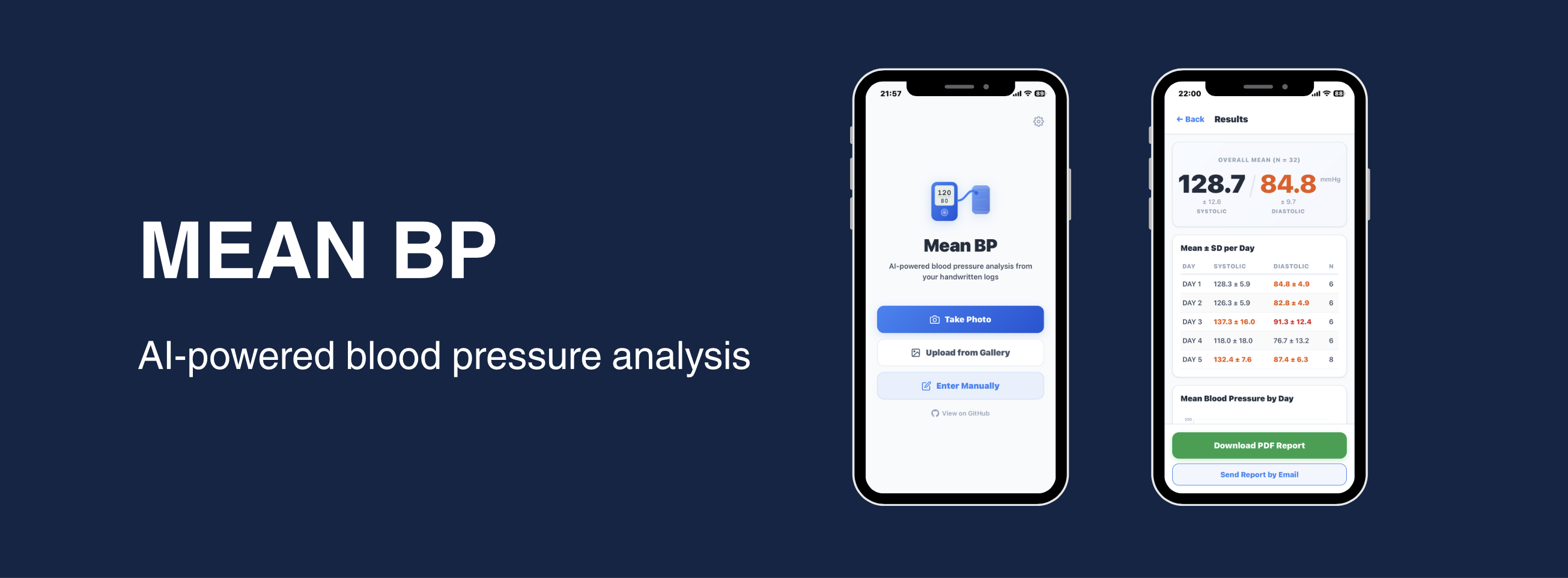
  • Built and deployed Python-based interactive dashboard using Dash/Plotly
  • Serves 100+ users with data visualization and performance tracking
  • Deployed on Railway with ongoing Docker containerization
  • Experimenting with LLM-powered conversational interface for data queries

Kaggle Competitions (ML Practice)

2025 - Present
  • Active participation to sharpen practical ML skills
  • Focus: PyTorch, scikit-learn, hyperparameter tuning (Optuna)
  • Feature engineering, ensemble methods, model evaluation

Certifications

Machine Learning Specialization

DeepLearning.AI & Coursera
July - October 2025

Completed 5 specialized courses: Advanced Learning Algorithms, Unsupervised Learning, Recommenders, Reinforcement Learning, and Supervised Machine Learning: Regression and Classification. Gained proficiency in Machine Learning, Scikit-Learn, TensorFlow, Random Forest, XGBoost, and Neural Networks.

Databricks Fundamentals

Databricks Academy Accreditation
October 2025

Academy Accreditation demonstrating understanding of fundamental concepts related to the Databricks Data Intelligence Platform.

Microsoft Azure Data Scientist Path

Microsoft Azure & Coursera
October 2025 - January 2026

Completed 2 courses: Create Machine Learning Models in Microsoft Azure, and Microsoft Azure Machine Learning for Data Scientists. Learned to create working environments for data science workloads on Azure, train and deploy predictive models using Azure Machine Learning.

Languages & Additional Information

Languages

French (Native), English (Fluent/C1), Swedish (B1)

Interests

Trail Running, Triathlon, Cooking, Baking, Nature, Literature

References

Available upon request

Looking for Opportunities

I'm a data scientist with a PhD in astrophysics, currently based in Gothenburg, transitioning from academic research to industry roles where I can create a more tangible impact on everyday life. After more than 8 years working in astrophysics, a dream I had carried since childhood, I felt the desire for change. We live in a world that is evolving rapidly and facing complex challenges on many fronts: conflicts, health crises, climate change. At the same time, technology is advancing quickly and holds real potential to help address these issues. In this spirit, I have decided to change paths. Although I truly enjoyed astrophysics, I want to move toward areas where I feel I can bring my small contribution to the world.

Quick summary

For those short on time, here's what you need to know: I'm a data scientist with 8+ years of research experience, strong skills in Python, statistics, machine learning (classical ML like random forests and XGBoost), and scientific communication. I'm looking for (Senior) Applied Data Scientist or Data Scientist roles in or around Gothenburg, though I'm also interested in growing toward ML Engineer, Data Engineer, or MLOps positions with the right guidance. I'm available immediately, prefer permanent employment, and value collaborative environments where curiosity is encouraged. I bring a rigorous, uncertainty-aware approach to problem-solving and genuinely enjoy both the technical work and the human side of projects.

For the full picture of who I am and what I'm looking for, keep reading below.

What motivates me

I am a very curious person and I want to understand the world that surrounds me, which is probably why I pursued research in the first place. Challenge is also what motivates me: tackling a problem that seems at first sight very difficult and finally finding a way through is deeply rewarding. It is when I am outside of my comfort zone that I learn new things. At the same time, I need meaning: regardless of how interesting a problem is technically, I want to understand how the result will be useful for someone, whether that's a client, a team, end users, or society more broadly. If a task feels disconnected from real impact, it quickly becomes less motivating for me.

I also strongly value "elegance" in solutions. To me, a beautiful solution is simple, robust, and easily explainable. The more complex an approach becomes, the more degrees of freedom it introduces, and the easier it is to be wrong. If something is difficult to explain in clear terms, it often means we don't fully understand what we are doing.

Beyond meaning and intellectual challenge, I deeply value human connections. This is one of the main reasons I'm not pursuing freelance or working on my own. I want to bond with people who share similar interests, learn from them, and build things together. The collaborative aspect of work is essential to what motivates me.

The type of work I enjoy most

Day-to-day, I enjoy being hands-on. In an ideal week, I like spending most of my time on technical work: exploring and cleaning data, building pipelines, modeling, and iterating on methods. Equally important to me is learning new things along the way. What I enjoy most is understanding the patterns hidden in data, demonstrating that they are statistically significant, and finding explanations for why they exist. I also value time for writing, meetings, and discussions with colleagues. This is something I kept from academia, which is a highly collaborative environment. Sharing ideas and presenting one's work is essential to see projects from different angles and gain fresh perspectives on what we are doing.

Mentoring is also important to me. Transmitting knowledge is something I genuinely care about, a value I carried from my years in academia. Knowledge-sharing strengthens teams and helps everyone move faster.

I enjoy both optimization and performance problems as well as prediction and classification problems. Improving performance is something I was particularly interested in during my work in astrophysics. I often ran simulations that could take days on university clusters while exploring grids of parameters. Using a cluster for days means others cannot use it, and it consumes significant power. You need to be sure your code is optimized; otherwise, in addition to your own time, you waste other people's time and computing resources, which is neither eco-friendly nor cost-effective.

Prediction and classification problems are rewarding in a different way: I find it genuinely satisfying to improve model performance through feature engineering and careful tuning, especially when it helps answer an important question or supports a real decision. Beyond prediction, I also enjoy exploring data using different methods to identify patterns that are statistically significant, then trying to understand why those patterns exist. Once we confirm a pattern is real, we can focus on the underlying science, and that is exciting.

I also like to take part in the life of my workplace. I enjoy organizing events such as conferences, workshops, or more informal activities like running groups, social gatherings, or team outings. I find it rewarding to invest some of my time in organizing events that many people will benefit from. Work environment is very important to me, something I discovered when I arrived in Sweden in 2021. Since then, I have actively tried to make my work environment a better place. For example, I organized an international conference (120 participants) as chair of both the scientific and local organizing committees. I co-founded SENECA (Swedish Network for Early Career Astronomers) to create an inclusive environment for PhD students and postdocs in Sweden. I organized social events and workshops at Chalmers, and I co-supervised Gustav Olander's PhD thesis, which was a personally meaningful experience. I deeply value knowledge sharing and human relationships.

How I approach projects

When I start a project, I focus first on clarity and constraints. I try to identify what kind of project it is: Are we exploring a dataset to answer a specific question, such as identifying patterns and understanding what they mean? Are we building a classification model using machine learning? Are we predicting features and then working on deployment? If prediction is involved, what precision do stakeholders require? And if no dataset exists but data is needed to answer a question, how do we obtain it? How can we collect it in the future? Beyond these questions, I also consider timelines, available resources (tools, compute, people), and the level of detail expected by stakeholders.

Then I try to deliver an early "80% version," a first result that is already useful, and I iterate from there with regular feedback. For me, this collaborative step is essential: confronting ideas and getting feedback is how I improve the quality of a project and avoid overengineering. Throughout this process, I'm comfortable with uncertainty and I'm used to communicating it in a scientific way: stating assumptions, describing limitations, quantifying confidence when possible, and being transparent about what still needs validation.

This approach to uncertainty is something I developed through my work in astrophysics. Most of the problems I tackled led to solutions that were not straightforward; there was rarely a simple "yes" or "no." The way we contributed knowledge to longstanding questions was by being precise in our method descriptions and in the quantification of results, presenting different possible explanations and explaining why we favored one over another without dismissing alternatives. This approach helps other scientists form their own views and, over time, confirm whether we were right or wrong. Building knowledge also means accepting when there is no straightforward answer. In those cases, being thorough in documentation allows others to choose a different path or continue on the same one with improvements based on what has already been done.

Collaboration and communication

Collaboration is very important to me. I like to have phases in a project where I work alone, but the phases where I confront my ideas with colleagues are equally valuable. In my experience, a fresh perspective on a project can only improve its quality. From my years in academia and my involvement in large national and international collaborations, I am used to working in teams, and I genuinely enjoy it.

I work best with kind, optimistic, collaborative people who listen to each other's ideas and want to build together. I enjoy environments with positive energy and good team dynamics. I also enjoy communicating results: I have experience explaining complex topics to non-technical audiences through outreach activities, which taught me how to adapt my message and make it understandable to people with very different backgrounds.

What I'm looking for professionally

Roles I'm targeting

My primary interest is in (Senior) Data Scientist or Applied Data Scientist positions: framing problems, working with data end-to-end, applying statistics and machine learning where they add value, and communicating results to stakeholders. This aligns closely with what I've done throughout my research career and what I enjoy most. These roles represent my core strength, where I can contribute meaningfully from day one.

Beyond this, I'm genuinely interested in roles that lean more toward engineering: ML Engineer / AI Engineer, Data Engineer, or MLOps Engineer. I find satisfaction in building robust tools and pipelines, and I'm motivated to strengthen my skills in deployment, monitoring, and production systems. I could take on these roles and I'm very interested in them, but unlike a pure Data Scientist position, there would be a learning curve to fill all the requirements. I would need some time (a few weeks to months) to ramp up with the right guidance, in addition to the online courses I'm already taking to bridge these gaps.

I'm also interested in Generative AI and LLM applications. Not because I believe AI should be added everywhere, but because these tools can be powerful when applied thoughtfully, and I want them in my toolkit for the right situations. I'm currently following online courses to build knowledge in this area.

I'm very open to hybrid roles that combine responsibilities across these areas. I believe this is increasingly the direction of the field, and it matches how I like to work: having Data Science as my core strength while continuously expanding into adjacent skills like ML engineering, data engineering, or MLOps. Other titles that might fit my profile include Applied Scientist, Research Engineer, Analytics Engineer, or Decision Scientist.

Seniority and growth

While my PhD and 8+ years of research experience have given me substantial technical depth, I recognise that transitioning to industry requires adaptation. During those years, I led my own research projects, collaborated with international teams, mentored students, and organized conferences and workshops. In other words, I held what would be considered a senior role in academia. However, I position myself as a mid-level professional entering industry, someone who can contribute meaningfully from day one while remaining open to learning how things work outside academia.

I think I would benefit from following the leadership of someone senior for some time to understand the differences between academia and the job I'll find. I built my confidence in research over time and experience, and I reached a point where I was able to lead my own projects, supervise my students, and organize events. I'm sure I'll be able to do the same outside of academia, but there will be an important phase of learning at the beginning.

That said, I'm not looking to stay in a junior capacity. I want to grow toward greater responsibility as I build confidence in my new context: taking ownership of projects, mentoring colleagues, and eventually contributing to technical strategy. I simply believe this growth should happen organically rather than being assumed from the start.

What I bring from research

My astrophysics background has equipped me with skills that transfer directly to data science and engineering:

  • Tackling complicated problems: Research trained me to approach difficult, open-ended problems that require creativity, curiosity, and access to a wide range of tools. Finding solutions often meant trying multiple approaches and learning new techniques along the way.
  • Computational modeling and Monte Carlo simulations: I've spent years building and running complex simulations, understanding how to model systems with many interacting variables.
  • Inverse problem solving: Much of my research involved inferring physical properties from indirect observations, working backwards from data to underlying causes. This is directly applicable to many industrial inference and prediction problems.
  • Uncertainty quantification: I'm trained to think rigorously about what we know, what we don't know, and how confident we can be in our conclusions. I communicate uncertainty clearly rather than hiding it.
  • Optimization of computational workflows: When simulations take days on computing clusters, you learn to optimize ruthlessly. Not just for speed, but for resource efficiency and reproducibility.
  • Classical machine learning: I have hands-on experience with methods like random forests and gradient boosting (XGBoost) applied to real research problems and personal projects.
  • Code development and sharing: I'm used to writing code for colleagues and sharing it on GitHub, updating it based on their needs and feedback. Collaborative code development was a regular part of my research workflow.
  • International collaboration: I've worked in distributed teams across countries and time zones, contributing to large scientific collaborations while maintaining clear communication.
  • Organizing conferences and workshops: I have experience planning and running events, from international conferences with 120 participants to smaller workshops, handling both scientific content and logistics.
  • Teaching and mentoring: I genuinely enjoy helping others develop their skills, something I've done throughout my academic career with students and junior researchers.

I have less production experience with deep learning, though I understand the landscape and know when different approaches are appropriate. This is an area I'm actively developing.

What I'm learning now

To bridge the gap between research and industry, I'm investing seriously in practical skills:

  • Cloud deployment and MLOps: I'm preparing for the Microsoft Azure Data Scientist Associate certification (DP-100) and plan to follow with the Azure Data Engineer certification (DP-203). I'm also pursuing the IBM AI Engineer Professional Certificate on Coursera to deepen my understanding of production AI systems.
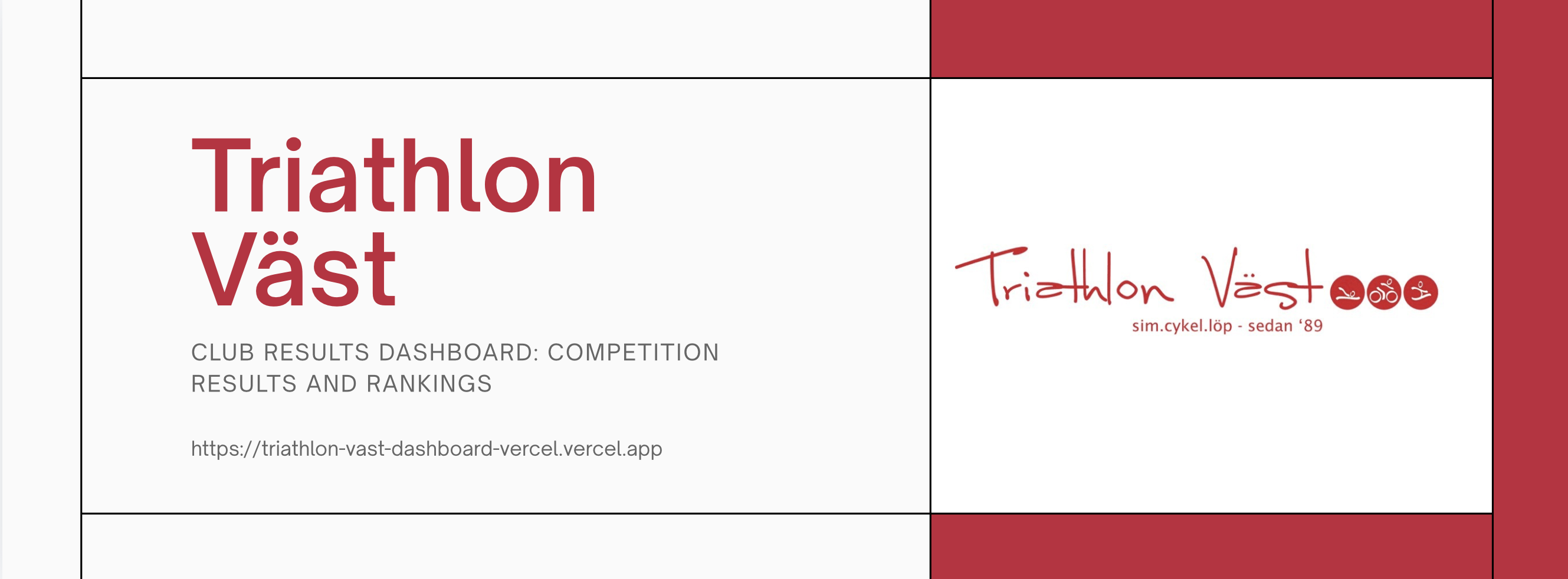
  • Hands-on projects: I learn best by combining structured courses with real applications. Currently, I'm developing a deployed dashboard for my triathlon club on Azure, handling everything from data preparation to deployment, maintenance, and monitoring. I'm also building a running time prediction model using classical ML techniques (random forests, XGBoost), and participating in Kaggle competitions to sharpen my skills on diverse problems.
  • Revisiting past projects with ML: I'm applying machine learning to problems I worked on earlier in my career. One project involves cluster identification in 3D datasets from my internship at Lund Observatory, where I originally used wavelet analysis but am now exploring classification with ML techniques like Support Vector Machines and neural networks. Another project uses XGBoost to accelerate exploration of N-dimensional parameter grids, building on my most recent work at Chalmers to reduce computational time.
  • SQL and data engineering fundamentals: My SQL proficiency is currently basic, and I'm actively strengthening it alongside my broader data engineering knowledge.
  • Swedish language: I'm taking classes and working on improving my professional Swedish, though I'm not yet ready for extended discussions in Swedish.

I'm confident in my ability to learn quickly. This has always been a strength, and I have a clear plan to address my gaps systematically. I also believe I could benefit from working alongside experienced data engineers, ML engineers, or other specialists in my future job. By using my core data science skills as a foundation, and with the right guidance from colleagues, I can develop these adjacent skills more effectively than through self-study alone.

Work environment and preferences

Consulting or product company: I'm genuinely attracted to both. Consulting appeals to me because of its similarities with research: project-based work, concrete deliverables, communication with diverse stakeholders, and exposure to different domains rather than being confined to a single area for years. At the same time, I appreciate what product companies offer: deeper focus, long-term ownership, and the chance to build lasting relationships with colleagues. At this stage, I have a slight preference for consulting because the world outside academia is vast and the range of topics is enormous. I'm more interested in discovering many of these new areas rather than focusing immediately on a single specific one. That said, if a product company offers a unique opportunity in a particularly interesting domain, I would absolutely consider it.

Team size and collaboration: I prefer small, tight teams but work well in larger cross-functional groups too. My ideal dynamic involves independent work with periodic synchronisation. I like having space to think deeply, then coming together to share ideas and get feedback. I'm comfortable with pair programming and code reviews when the situation calls for it. That said, I'm very flexible and can adapt to different setups. This is just my ideal, but I can navigate other working styles without any problem.

Location and flexibility: I'm based in Gothenburg and looking for opportunities in or around the city. I value seeing my colleagues regularly because human connection matters to me, but I also appreciate the flexibility of working from home occasionally. Occasional travel is fine.

Availability: I'm available immediately and prefer permanent employment, though I'm open to discussing other arrangements.

What I hope to preserve

One thing I valued in academia was the intellectual freedom to explore problems deeply: the space to really understand what's going on before jumping to solutions. I hope to find environments where curiosity is encouraged, where it's acceptable to say "I don't know yet, let me investigate," and where elegant, well-understood solutions are valued. I understand that in some jobs, sometimes you need to think fast and make quick fixes to meet deadlines. I'm absolutely able to do that, and I had plenty of periods of rush in academia where I had to make choices and do quick fixes to deliver on time. However, when given the choice, I prefer having time and space to deeply understand a problem and discuss it with colleagues before settling on a solution.

The themes I care about

We live in a world that is evolving rapidly and facing complex challenges: conflicts, health crises, climate change. At the same time, technology is advancing quickly and holds real potential to help address these issues. This conviction is part of what drove my decision to transition from astrophysics. I want to work in areas where I feel I can bring a small contribution to the world.

I'm particularly interested in industries and applications that connect to health and medical impact, as well as environmental questions. I'm also curious about automotive and engineering-heavy domains, especially when data can be used to improve systems, reliability, or decision-making. I enjoy collaborating with engineers and domain experts, and I like projects where the end users are people who rely on accurate and explainable results, such as engineers, operators, or doctors.

If you think my profile could be relevant for your team or project, feel free to reach out. I'm always open to discussion.

Get in Touch

Elements

Text

This is bold and this is strong. This is italic and this is emphasized. This is superscript text and this is subscript text. This is underlined and this is code: for (;;) { ... }. Finally, this is a link.


Heading Level 2

Heading Level 3

Heading Level 4

Heading Level 5
Heading Level 6

Blockquote

Fringilla nisl. Donec accumsan interdum nisi, quis tincidunt felis sagittis eget tempus euismod. Vestibulum ante ipsum primis in faucibus vestibulum. Blandit adipiscing eu felis iaculis volutpat ac adipiscing accumsan faucibus. Vestibulum ante ipsum primis in faucibus lorem ipsum dolor sit amet nullam adipiscing eu felis.

Preformatted

i = 0;

while (!deck.isInOrder()) {
    print 'Iteration ' + i;
    deck.shuffle();
    i++;
}

print 'It took ' + i + ' iterations to sort the deck.';

Lists

Unordered

  • Dolor pulvinar etiam.
  • Sagittis adipiscing.
  • Felis enim feugiat.

Alternate

  • Dolor pulvinar etiam.
  • Sagittis adipiscing.
  • Felis enim feugiat.

Ordered

  1. Dolor pulvinar etiam.
  2. Etiam vel felis viverra.
  3. Felis enim feugiat.
  4. Dolor pulvinar etiam.
  5. Etiam vel felis lorem.
  6. Felis enim et feugiat.

Icons

Actions

Table

Default

Name Description Price
Item One Ante turpis integer aliquet porttitor. 29.99
Item Two Vis ac commodo adipiscing arcu aliquet. 19.99
Item Three Morbi faucibus arcu accumsan lorem. 29.99
Item Four Vitae integer tempus condimentum. 19.99
Item Five Ante turpis integer aliquet porttitor. 29.99
100.00

Alternate

Name Description Price
Item One Ante turpis integer aliquet porttitor. 29.99
Item Two Vis ac commodo adipiscing arcu aliquet. 19.99
Item Three Morbi faucibus arcu accumsan lorem. 29.99
Item Four Vitae integer tempus condimentum. 19.99
Item Five Ante turpis integer aliquet porttitor. 29.99
100.00

Buttons

  • Disabled
  • Disabled

Form